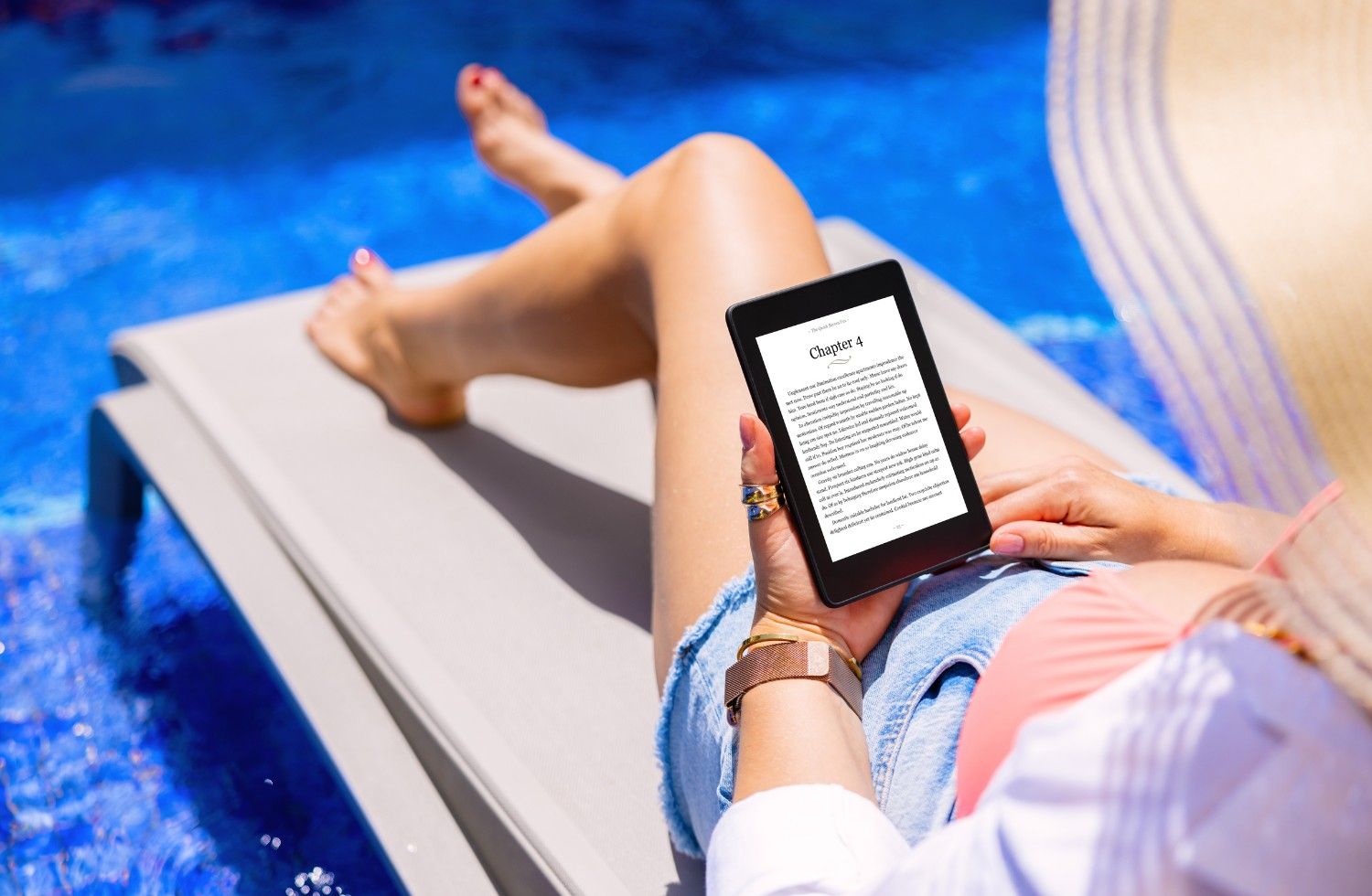
For travelers and daily commuters, an e-reader can be one of the most practical devices to carry. Instead of packing multiple books or spending every spare moment scrolling on a smartphone, a lightweight e-reader gives you convenient access to your digital library on trains, buses, flights, and during short breaks throughout the day.
However, not every e-reader is equally suited to life on the move. Portability, screen quality, lighting, battery performance, storage, and easy controls can make a significant difference when you’re reading away from home. Understanding which features matter most can help you choose a device that fits naturally into your daily routine.
Compact and Lightweight Design:
Portability should be one of the first things to consider when choosing an e-reader for commuting or travel. A compact device is easier to slip into a handbag, backpack, jacket pocket, or travel bag without adding unnecessary weight.

Ultra-compact readers such as the XTEINK X4 Pro take this idea even further. Its 4.3-inch display, 72-gram body, and slim 5.95 mm profile are specifically designed around everyday carry and short reading sessions while traveling.
Why Portability Matters:
- Easier to carry every day
- Takes up less luggage space
- Comfortable for standing commutes
- Better for one-handed reading
- Convenient for spontaneous reading
Paper-Like E Ink Display:
A quality E Ink display is one of the biggest advantages of a dedicated e-reader. Unlike conventional smartphone and tablet screens, E Ink is designed to create a more paper-like appearance that remains readable under a wide range of lighting conditions.
For travelers, this can be particularly useful when reading outdoors, near a bright window, at an airport, or while relaxing during a vacation.
Display Benefits:
- Paper-like appearance
- Comfortable text reading
- Good visibility in bright environments
- Fewer smartphone-style distractions
- Suitable for extended reading sessions
E-Reader Features at a Glance:
| Feature | Why It Matters | Best For |
|---|---|---|
| Compact Design | Easier everyday carrying | Commuters |
| E Ink Display | Comfortable text reading | Long sessions |
| Adjustable Front Light | Reading in changing light | Flights & evening commutes |
| Physical Page Buttons | Easier one-handed reading | Standing commuters |
| Long Battery Life | Less charging while away | Travelers |
| Expandable Storage | More room for a personal library | Frequent readers |
| Offline Reading | Books remain accessible without internet | Flights & remote trips |
| Touchscreen | Faster navigation and settings | Everyday use |
Adjustable Front Lighting:
Your reading environment can change constantly while traveling. A morning train may be brightly lit, an evening bus may be dim, and airplane cabin lighting can change several times during a flight. An adjustable front light allows the screen to remain readable without depending on external lighting.
Warm and cool light adjustment adds even more flexibility. For example, the XTEINK X4 Pro combines adjustable brightness with warm and cool front-light settings, allowing readers to adapt the display as their surroundings change.
Lighting Features to Consider:
- Adjustable brightness
- Warm and cool light settings
- Comfortable low-light reading
- Easy brightness controls
- Day-to-night flexibility
Physical Page-Turn Buttons:
Touchscreens are convenient, but physical page-turn buttons can be surprisingly useful during a commute. When you’re standing on a train, holding luggage, or reading with one hand, pressing a dedicated button can be easier than repeatedly swiping across the screen.
Some compact e-readers combine both approaches. XTEINK X4 Pro, for example, provides touchscreen navigation alongside physical controls, allowing users to navigate menus with touch while using buttons for repeated page turns.
Button Advantages:
- Convenient one-handed reading
- Easy page turning
- Useful while standing
- Less need to reposition your hand
- Simple repeated navigation
Long-Lasting Battery Performance:
Travelers shouldn’t have to worry about charging another device every few hours. E Ink technology is generally energy efficient because the display doesn’t need constant power in the same way as a traditional LCD or OLED screen.
When comparing e-readers, look beyond vague claims about “weeks” of battery life. Actual runtime can vary depending on brightness, wireless connectivity, syncing, and daily reading time. Battery capacity and clearly stated testing conditions provide a more useful basis for comparison.
Battery Benefits:
- Less frequent charging
- Better for long journeys
- Convenient for vacations
- Reliable during daily commuting
- Fewer charging accessories to manage
Enough Storage for Your Library:
One of the biggest benefits of an e-reader is being able to carry a large collection without the weight of physical books. Even relatively modest storage can accommodate a substantial library of text-based ebooks.
Readers with especially large personal collections may also value expandable storage. The XTEINK X4 Pro includes a 16 GB microSD card and supports expansion up to 256 GB, providing additional flexibility for compatible local files.
Storage Is Useful For:
- Novels
- Short stories
- Travel reading
- Personal ebook collections
- Long-term digital libraries
Offline Reading Capability:
Reliable internet isn’t always available when you’re traveling. Flights, underground trains, remote destinations, and international trips can leave you without a stable connection.
An e-reader that stores books locally lets you continue reading without Wi-Fi or mobile data. Downloading or transferring your books before leaving home can ensure your library remains available throughout the journey.
Perfect For:
- Air travel
- Underground commuting
- International trips
- Remote destinations
- Areas with unreliable Wi-Fi
Easy Book Transfer and File Support:
Before buying an e-reader, think about where your ebooks come from. Some readers rely heavily on integrated bookstores, while others prefer managing their own ebook files.
If you maintain a personal library, check which formats the device supports and how files are transferred. Some compact readers provide app and computer-based transfer methods, but compatibility with DRM-protected books, library services, or particular ebook stores shouldn’t be assumed.
Check Before Buying:
- Supported ebook formats
- DRM compatibility
- Book transfer methods
- Library service support
- Built-in bookstore availability
Comfortable One-Handed Reading:
One-handed usability becomes especially valuable when commuting. You may be holding onto a train rail, carrying coffee, managing luggage, or simply trying to read comfortably in a crowded space.
A lightweight body, conveniently positioned controls, and balanced design can make short reading sessions much easier. This is where genuinely pocket-sized readers can have an advantage over larger models, particularly for commuters who prioritize convenience over maximum screen size.
The Right Screen Size for Your Reading Style:
A smaller screen improves portability, but it also means less text appears on each page. Travelers who mainly read novels and other reflowable text may appreciate an ultra-compact display, while people reading PDFs, textbooks, comics, or detailed documents will usually benefit from something larger.
The best choice therefore isn’t necessarily the smallest device available. It’s the smallest e-reader that still provides enough screen space for the type of content you regularly read.
Consider Your Reading Habits:
- Novels work well on smaller screens.
- PDFs generally benefit from larger displays.
- Comics may need additional screen space.
- Larger fonts reduce the amount of text per page.
- Small displays prioritize portability.
How to Choose an E-Reader for Travel and Commuting:
Start by thinking about where you’ll use the device most often. Daily commuters may prioritize a lightweight body, physical page buttons, and a size that’s easy to carry. Frequent travelers may place more importance on battery performance, storage, offline access, and comfortable lighting for long flights.
Your ebook ecosystem matters as well. A highly portable reader isn’t necessarily the right choice if it doesn’t support the books, stores, subscriptions, or library services you regularly use. Balancing portability with compatibility usually produces a better everyday experience.
Helpful Features Worth Prioritizing:
The best travel e-reader doesn’t need every feature available. Instead, focus on features that remove the obstacles that normally prevent you from reading.
Smart Features to Look For:
- Lightweight and compact construction
- Clear E Ink display
- Adjustable front lighting
- Convenient page controls
- Reliable battery performance
- Adequate or expandable storage
- Offline book access
- Support for your preferred ebook formats
Make Every Journey an Opportunity to Read:
A well-chosen e-reader can transform waiting time and everyday journeys into valuable reading time. XTEINK compact dimensions make the device easy to carry, E Ink provides a focused reading experience, adjustable lighting keeps books accessible after dark, and offline storage means your library can travel with you even when an internet connection doesn’t.
Whether you’re reading for a few minutes on the morning commute or spending hours with a book during a long flight, choosing the right combination of portability, screen quality, lighting, battery performance, controls, and storage can make digital reading considerably more convenient wherever you go.
