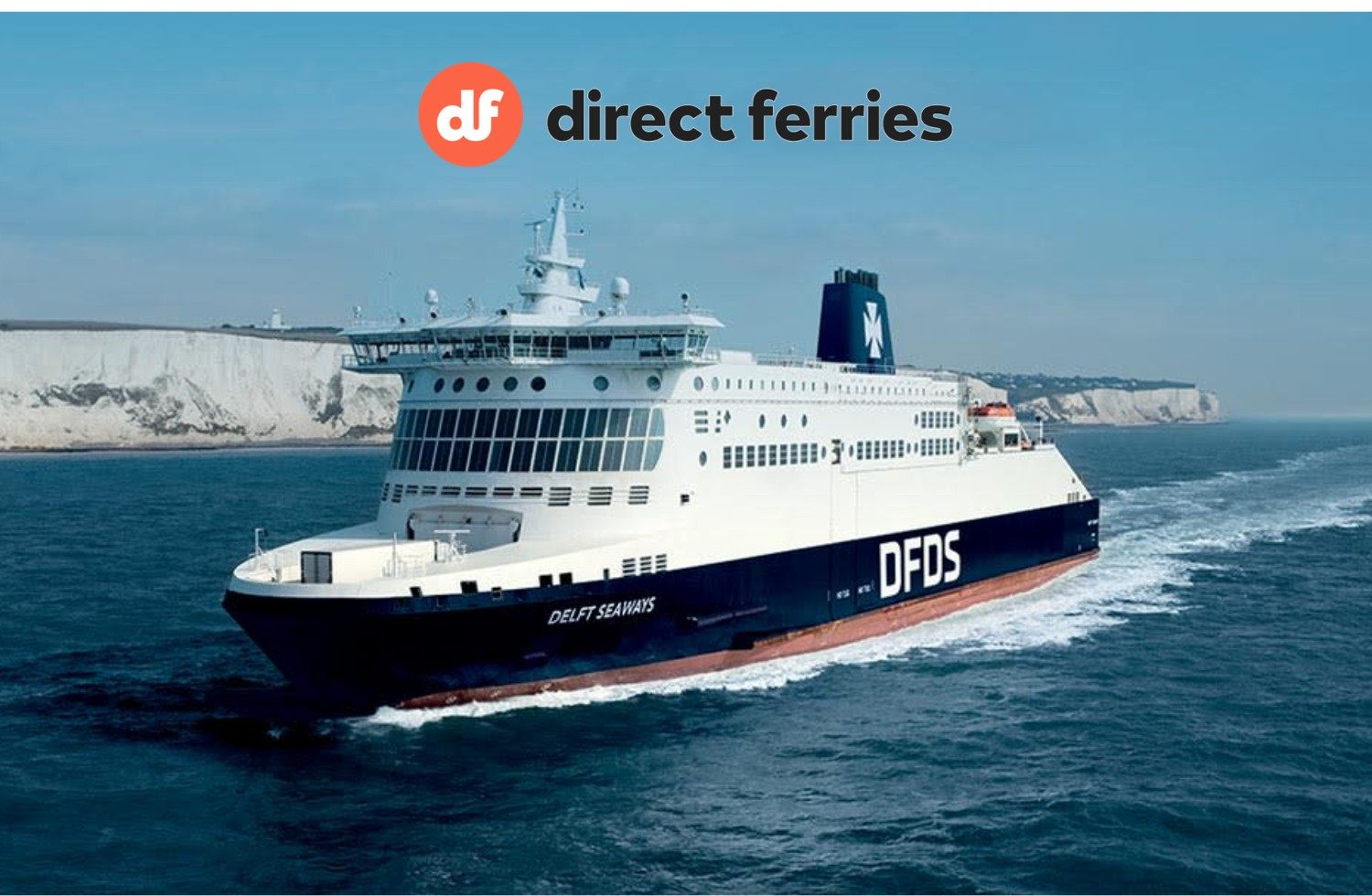
Booking a ferry can involve more than simply finding the lowest ticket price. Different routes may have different sailing times, operators, crossing durations, vehicle options, baggage rules, and ticket conditions. Comparing these details before booking can help you choose a ferry that fits both your itinerary and budget.
Direct Ferries brings ferry routes and fares together in one search platform, allowing travelers to compare available sailings across numerous destinations and operators. Its route network covers more than 4,300 routes across around 238 countries and regions.
Whether you are planning a short UK-to-France crossing, a trip to Ireland, or a longer European ferry journey, knowing what to compare can make the booking process much easier.
How Direct Ferries Works:
Direct Ferries works as a comparison and booking platform for ferry journeys. You enter your departure and arrival points, travel dates, passengers, and vehicle details if required. The search then displays available sailing options so you can compare routes, departure times, operators, and prices.
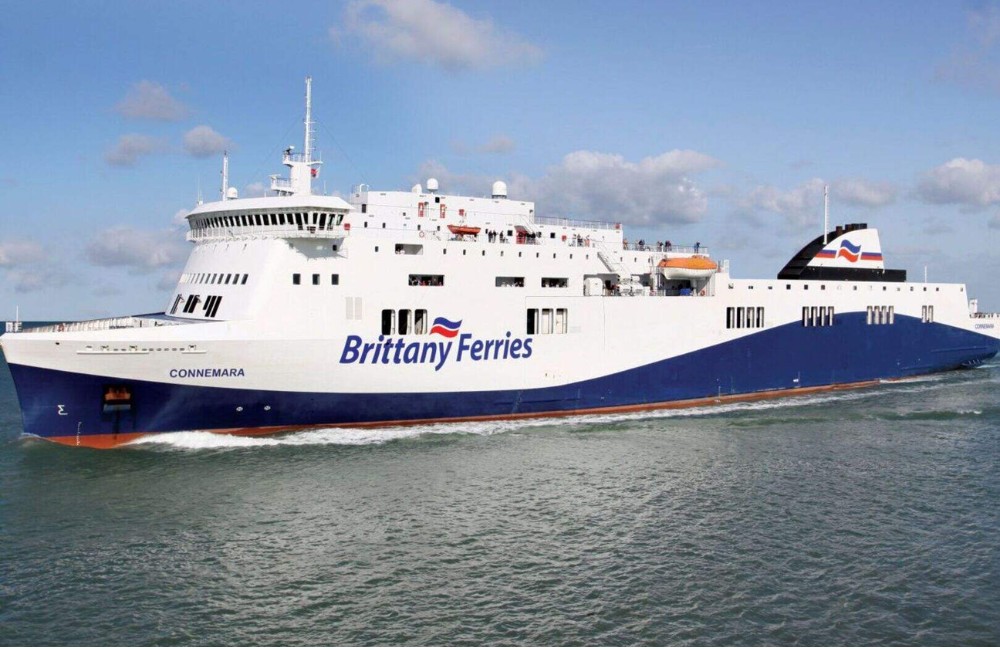
For example, travelers crossing the English Channel can compare several ports and routes rather than automatically choosing the nearest port. Direct Ferries currently lists routes connecting UK ports including Dover, Portsmouth, Newhaven, Poole, and Plymouth with destinations in France.
This can be particularly useful when two different ports can take you to roughly the same destination but offer different prices or schedules.
What to Compare Before Booking:
1. Route and Destination:
Start by checking whether there are alternative ferry routes between your departure area and destination.
A route with a slightly longer crossing may be more convenient if the port is easier to reach or the sailing time fits your plans better. Direct Ferries provides route and port information to help travelers explore different connections.
For example, travelers heading from England to France can consider routes such as Dover–Calais, Dover–Dunkirk, Portsmouth–Caen, or Newhaven–Dieppe depending on their final destination.
2. Departure Time:
The cheapest sailing is not always the most convenient.
Consider how early you need to leave home, how long it will take to reach the port, and whether you need to arrive at your destination at a particular time. An early-morning sailing might have a lower fare but could require an inconvenient start to your journey.
If you are traveling with children, pets, or a vehicle, a departure time that allows plenty of preparation can also make the trip easier.
3. Crossing Duration:
Compare the total sailing time as well as the departure time.
Some ferry crossings are designed for quick journeys, while longer routes can provide a more relaxed way to travel between countries. For example, Dover crossings to Calais can take around 1 hour 35 minutes, while Dover–Dunkirk services can take around 2 hours depending on the sailing.
The best option depends on whether your priority is reaching your destination quickly or choosing a schedule that works better for your overall journey.
4. Ferry Operator:
The same general route may sometimes be served by more than one ferry company.
Compare the operator, sailing frequency, crossing time, onboard facilities, and ticket conditions rather than looking only at the headline price.
Direct Ferries currently compares operators across many routes, including major companies serving UK crossings such as DFDS, P&O Ferries, Brittany Ferries, Stena Line, and Irish Ferries.
5. Passenger and Vehicle Details:
Always enter the correct passenger and vehicle information when searching.
Fares can depend on the number of passengers, vehicle type, route, date, and departure time. Vehicle dimensions can also matter, particularly if you are traveling with a larger car, campervan, caravan, or other vehicle.
A fare that looks inexpensive for a foot passenger may be very different once you add a car and additional travelers.
How Ferry Fares Can Differ:
Ferry prices are not fixed. Direct Ferries states that fares can depend on factors including vehicle type, number of passengers, route, travel date, and travel time.
| Factor | Why It Matters |
|---|---|
| Travel date | Peak periods can have different pricing |
| Departure time | Popular sailings may cost more |
| Passenger numbers | More travelers increase the booking total |
| Vehicle | Car, campervan and other vehicle types can change the fare |
| Ticket type | Flexible options may cost more than restricted fares |
| Route | Alternative ports may have different prices |
| Operator | Different companies can offer different schedules and fare conditions |
| Extras | Optional services can increase the final cost |
Because of these variables, it is worth checking several available sailings before making a decision.
How to Find a Better Ferry Fare:
Compare Multiple Dates:
If your travel dates are flexible, search different days rather than booking the first available sailing.
Traveling outside peak periods can sometimes provide more affordable options. Direct Ferries notes that cheap ferry tickets are generally more available during off-peak periods than during high season.
Midweek travel can also be worth checking, particularly when weekend sailings are popular.
Compare Nearby Ports:
Do not limit your search to one departure port.
A slightly longer drive to another port could provide a cheaper sailing or a more convenient arrival point. This is particularly useful for longer European trips where several ferry connections may be available.
Check the Total Price:
Look beyond the initial fare displayed in the search results.
Check the final booking amount after adding passengers, vehicles, selected seats, cabins, flexibility options, or other extras. Direct Ferries also notes that booking or service fees can apply.
The cheapest advertised fare is therefore not necessarily the cheapest complete booking for your specific trip.
Book Ahead When Possible:
If your dates are confirmed, checking fares early can be worthwhile.
Ferry prices and availability can change as the departure date approaches, and Direct Ferries advises that prices can vary with season and availability.
For popular holiday periods, comparing and booking earlier can also give you more choice of departure times.
Understanding Flexible Ferry Tickets:
Flexibility can be valuable if your plans may change.
Direct Ferries does not generally offer open tickets, meaning travelers normally need to select a specific date and time. However, some ferry companies may provide additional flexibility, and flexible ticket options can be offered during the booking process.
Flexi fares can be useful for travelers who are uncertain about their return time or who want more flexibility to change their plans.
Keep in mind that flexible tickets can have different terms depending on the ferry operator. Direct Ferries recommends reviewing the conditions before selecting the option.
What About Cancellation and Changes?
Before paying, check the cancellation and amendment rules attached to your specific fare.
Some tickets are more restrictive than others, while flexible fares or cancellation products may provide additional options. These choices generally need to be selected during the booking process and may not be available to add later.
It is also important to remember that ferry bookings for specific dates and times generally do not have the same cooling-off rights as some ordinary online purchases.
Booking With a Car:
Traveling by car can make ferry trips particularly convenient, but it also adds more factors to compare.
Before booking, check:
- Vehicle make and type
- Vehicle length and height
- Number of passengers
- Pet requirements if applicable
- Check-in requirements
- Vehicle-specific restrictions
- Cancellation and change conditions
- Total price including the vehicle
Entering accurate vehicle details is important because ferry fares and available space can depend on the vehicle being carried.
Booking as a Foot Passenger:
Foot passengers can often focus more heavily on sailing time, port accessibility, and the overall ticket price.
However, check how you will get to and from each port before choosing a fare. A cheaper ferry can become less convenient if the departure port requires expensive or complicated ground transportation.
For a short crossing, a frequent service may also be more useful than a slightly cheaper sailing with a limited schedule.
Booking With Pets:
If you are traveling with a pet, check the requirements before confirming your booking.
Direct Ferries asks travelers to provide relevant pet details during the booking process and notes that passengers traveling with animals are responsible for complying with applicable regulations and documentation requirements.
Pet policies can vary between operators and routes, so never assume that the rules for one ferry company automatically apply to another.
Using the Direct Ferries App:
The Direct Ferries app can be useful after booking as well as during the search process.
According to Direct Ferries, the app allows customers to manage bookings, access tickets offline, get directions to the port, track ferries, and receive updates about delays or changes.
Having your booking information available on your phone can be especially useful when traveling without easy access to printed documents.
Example: Comparing Two Ferry Options:
Imagine you are traveling from England to France and find two suitable sailings.
| What to Compare | Sailing A | Sailing B |
|---|---|---|
| Departure | Earlier | Later |
| Crossing | Shorter | Slightly longer |
| Fare | Lower | Higher |
| Flexibility | Restricted | More flexible |
| Port access | More convenient | Longer drive |
| Best for | Budget-focused travelers | Travelers wanting flexibility |
Instead of automatically selecting Sailing A because it costs less, consider the complete journey.
If Sailing B allows you to leave home later, provides more flexibility, and reduces the risk of expensive changes later, the additional cost may be worth considering for your particular trip.
Common Ferry Booking Mistakes to Avoid:
Choosing Only by Price:
The lowest displayed fare may not provide the best combination of schedule, flexibility, and convenience.
Ignoring the Port:
Always consider the driving or public transport journey to the port.
Forgetting Vehicle Details:
Incorrect vehicle information can create problems during booking or at the port.
Not Checking Ticket Conditions:
Read the change, cancellation, and flexibility rules before paying.
Booking the Wrong Date or Time:
Ferry bookings are tied to specific travel details, and failing to follow the booked sailing conditions can result in additional charges or refusal of travel.
Adding Too Many Extras:
Seats, cabins, flexibility products, cancellation cover, and other extras can increase the final price. Add them based on your actual needs.
Helpful Tips:
Smart Tips:
- Compare at least a few departure times before booking.
- Search alternative ports when your destination allows it.
- Check both one-way and return options when planning a round trip.
- Enter the correct passenger and vehicle information.
- Compare the final booking total rather than only the starting fare.
- Look at off-peak dates if your schedule is flexible.
- Consider a flexible fare when your plans may change.
- Read the operator-specific ticket conditions before payment.
- Check port arrival and check-in requirements in advance.
- Keep your e-ticket and booking information easily accessible.
The Bottom Line:
A good ferry booking is about more than finding the lowest number on the screen. Route, sailing time, crossing duration, operator, vehicle requirements, flexibility, and the final cost can all affect whether a particular sailing works well for your trip.
Direct Ferries makes it easier to compare these factors in one place, with routes and operators available across a wide international network.
Take a few minutes to compare different dates, times, ports, and fare conditions before booking. That extra comparison can help you find a ferry journey that matches your schedule while keeping the overall travel cost under control.
