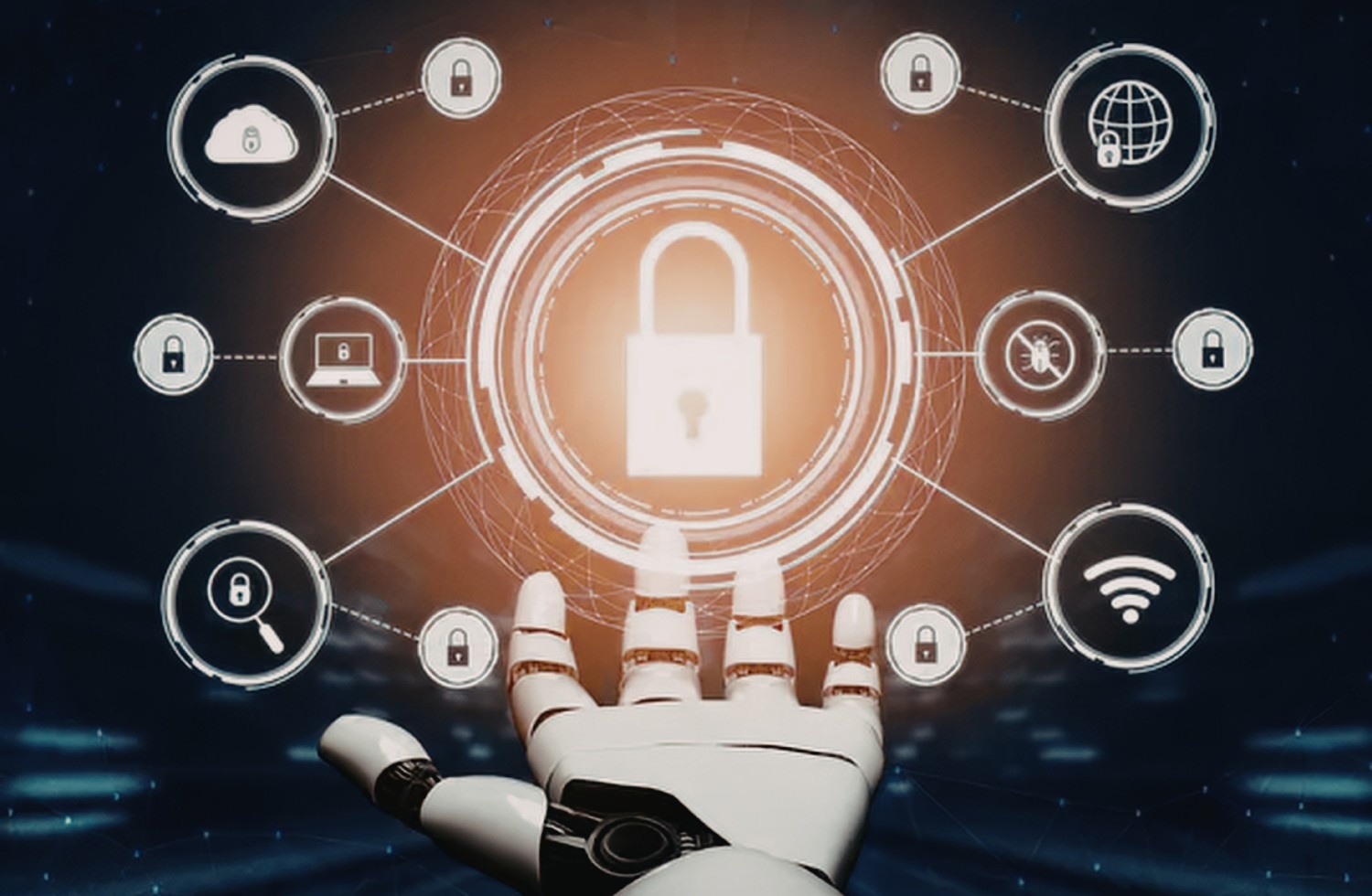
In today’s connected world, almost every aspect of life depends on the internet. From online banking and shopping to remote work, social media, and cloud storage, digital technology offers incredible convenience. However, this increased connectivity also creates more opportunities for cybercriminals to target personal information, financial accounts, and sensitive data. Fortunately, staying safe online doesn’t require advanced technical knowledge. By following a few practical cybersecurity habits, you can significantly reduce the risk of becoming a victim of cyber threats while protecting your digital identity.
Why Cybersecurity Matters More Than Ever:
Cyberattacks are becoming more sophisticated, affecting individuals, businesses, educational institutions, and government organizations alike. Personal data such as passwords, banking information, and private documents have become valuable targets for hackers. Even simple mistakes—like clicking an unfamiliar link or using weak passwords—can expose sensitive information.
Developing strong cybersecurity habits helps protect not only your devices but also your finances, privacy, and online reputation.
Essential Cybersecurity Practices:
| Security Habit | Why It’s Important |
|---|---|
| Use Strong Passwords | Prevents unauthorized account access |
| Enable Multi-Factor Authentication | Adds an extra layer of security |
| Update Software Regularly | Fixes known security vulnerabilities |
| Back Up Important Files | Protects data from loss or ransomware |
| Avoid Suspicious Links | Reduces phishing risks |
| Secure Wi-Fi Networks | Prevents unauthorized access |
| Monitor Online Accounts | Helps detect suspicious activity early |
Create Strong and Unique Passwords:
One of the simplest yet most effective ways to improve your online security is by creating strong passwords for every account. Avoid using easily guessed information such as birthdays, names, or common words. Instead, combine uppercase and lowercase letters, numbers, and special characters to create complex passwords.
Using a different password for each account ensures that if one account is compromised, your other accounts remain protected.
Password Best Practices:
- Use long, unique passwords.
- Avoid personal information.
- Never reuse passwords across multiple accounts.
- Change compromised passwords immediately.
- Consider using a trusted password manager.
Enable Multi-Factor Authentication:
Multi-factor authentication (MFA) provides an additional layer of protection beyond your password. Even if someone obtains your login credentials, they would still need a second verification step—such as a code sent to your phone or generated by an authentication app—to access your account.
Many major online services now offer MFA, making it one of the easiest ways to strengthen account security.
Keep Your Devices Updated:
Software updates do more than introduce new features—they often include important security patches that fix vulnerabilities discovered by developers. Delaying updates may leave your computer, smartphone, or tablet exposed to known threats.
Enable automatic updates whenever possible to ensure your operating system, web browser, antivirus software, and mobile applications remain protected.
Devices That Should Stay Updated:
- Smartphones
- Laptops and desktop computers
- Tablets
- Smart home devices
- Internet browsers
Be Cautious of Phishing Attempts:
Phishing attacks attempt to trick users into revealing passwords, financial information, or personal details by pretending to be trusted organizations. These scams often arrive through emails, text messages, social media, or fake websites that closely resemble legitimate ones.
Before clicking any link or downloading an attachment, verify the sender’s identity and carefully examine website addresses for unusual spelling or suspicious domains.
Protect Your Home Wi-Fi Network:
Your wireless network serves as the gateway to many connected devices. Securing it with a strong password and modern encryption helps prevent unauthorized users from accessing your internet connection or connected devices.
Changing the router’s default administrator password and regularly reviewing connected devices can further improve network security.
Home Network Security Tips:
- Use a strong Wi-Fi password.
- Enable WPA3 or WPA2 encryption.
- Change default router credentials.
- Keep router firmware updated.
- Disconnect unused smart devices.
Back Up Important Data Regularly:
Hardware failures, accidental deletion, ransomware attacks, and theft can all result in the loss of valuable files. Maintaining regular backups ensures that important documents, photographs, and work files remain accessible even if your primary device becomes unavailable.
Using both cloud storage and external backup drives provides additional protection against unexpected data loss.
Think Before You Share Online:
Social media makes it easy to stay connected, but sharing too much personal information can increase security risks. Details such as your address, travel plans, phone number, or answers to common security questions may be used by cybercriminals for identity theft or targeted scams.
Adjusting your privacy settings and carefully considering what you post helps protect your personal information.
Information to Keep Private:
- Home address
- Banking information
- Government identification numbers
- Passwords and security codes
- Real-time travel plans
Monitor Your Accounts Frequently:
Regularly reviewing your bank statements, online shopping accounts, and email activity can help you identify suspicious transactions or unauthorized logins before they become more serious.
Many financial institutions and online services also allow users to enable security alerts that notify them of unusual account activity.
Cybersecurity Starts With Everyday Habits:
Protecting yourself online isn’t about relying on a single security tool—it’s about developing consistent habits that reduce risk over time. Strong passwords, regular software updates, cautious browsing, secure Wi-Fi, and routine data backups all work together to create a stronger defense against evolving cyber threats.
The digital world offers countless opportunities, but it also requires personal responsibility. By staying informed, remaining alert, and following simple cybersecurity best practices, you can enjoy the benefits of technology while safeguarding your personal information, finances, and digital life for years to come.
