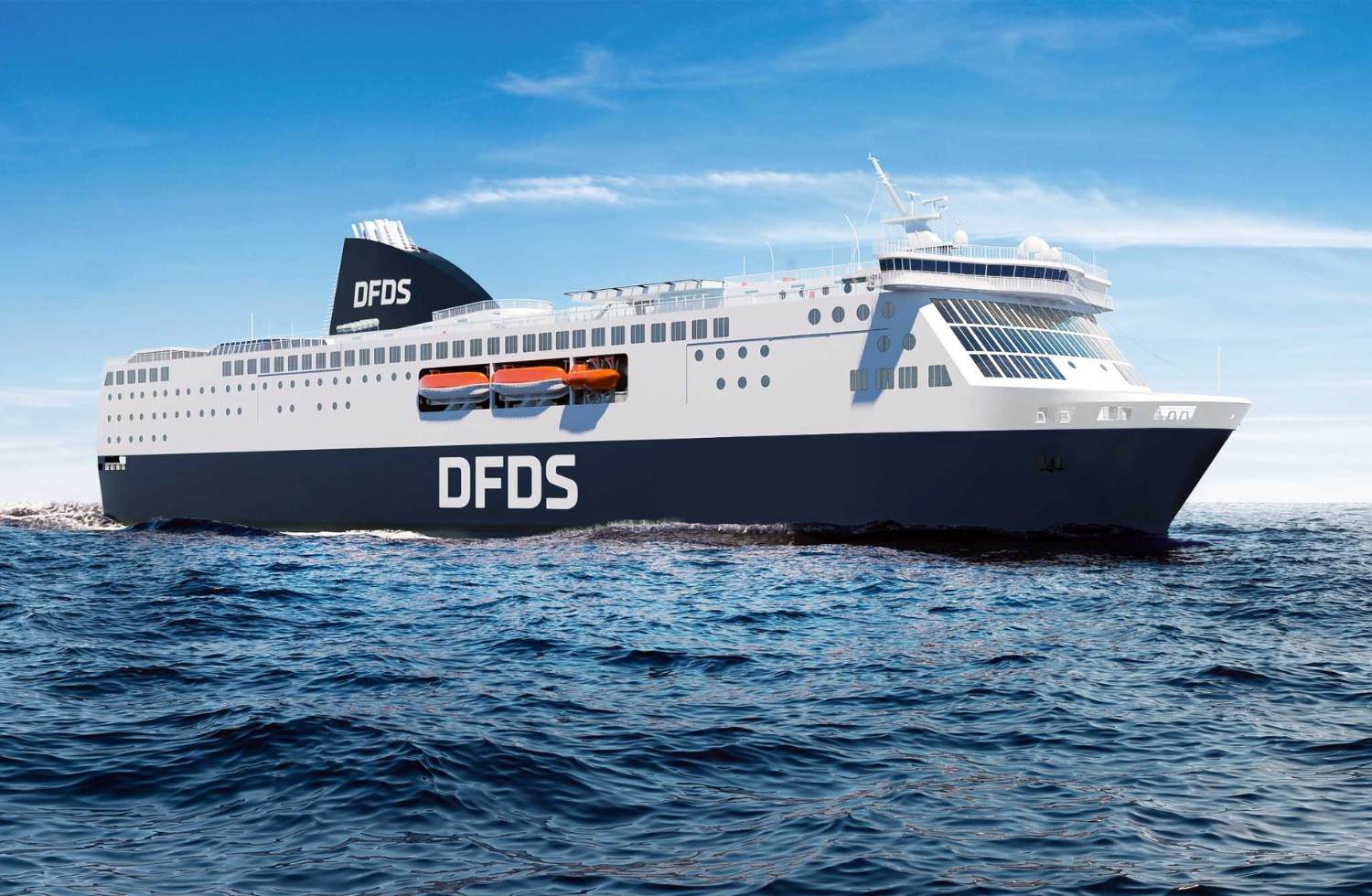
Travelling by ferry can be an enjoyable way to explore Europe, especially when you want to take your car, bring more luggage or turn the journey itself into part of your holiday. DFDS operates passenger ferry services connecting destinations across the English Channel, the North Sea, the Baltic region and other European routes. With options ranging from short crossings between the UK and France to overnight journeys between Newcastle and Amsterdam, the company offers different ways to plan a European getaway.
Whether you are organising a family holiday, a driving trip through France, a weekend in the Netherlands or a journey across the Baltic Sea, choosing the right DFDS route can make a significant difference to your travel experience. Understanding the available crossings, onboard facilities, vehicle options and booking conditions will help you find a journey that suits your schedule and budget.
Why Choose DFDS Ferries for European Travel?
DFDS is an established ferry operator with a network of passenger routes serving the UK, continental Europe, Jersey and destinations around the Baltic Sea. Its services can be particularly useful for travellers who want to continue their journey by road after arriving at a port. Depending on the route, passengers can travel with a car, motorcycle or other permitted vehicle, making it easier to explore destinations beyond the arrival port.
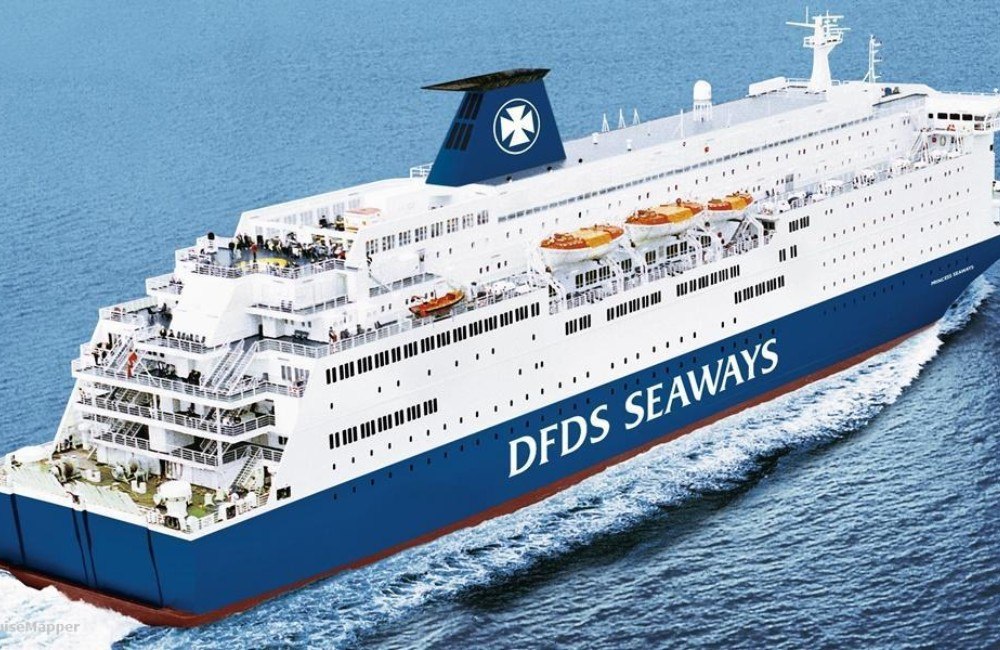
One of the main advantages of ferry travel is the flexibility it offers. Instead of relying entirely on flights and arranging transport after landing, you may be able to bring your own vehicle and luggage. This can be convenient for families, road-trip enthusiasts and travellers planning longer stays with several destinations.
The onboard experience is another consideration. Depending on the vessel and route, DFDS ferries offer facilities such as restaurants, cafés, shops, lounges, children’s play areas and cabins on selected longer crossings. These features allow passengers to relax, enjoy a meal or spend time together during the journey.
Popular DFDS Ferry Routes to Consider:
DFDS operates several passenger routes, but the best option depends on where you are starting, which country you want to visit and whether you need to take a vehicle. The following routes illustrate some of the main travel options available through the network.
Dover to Calais: A Convenient Crossing to France:
The Dover–Calais route is a popular choice for travellers crossing the English Channel. With a crossing time of approximately 100 minutes, it provides a practical connection between southeast England and northern France.
Once in Calais, you can continue towards destinations such as Lille, Paris, the Belgian border or other parts of continental Europe. This route is especially suitable for drivers planning a self-drive holiday, as it allows them to bring their vehicle across the Channel. Onboard facilities can include dining options, shopping and areas for families to relax.
Dover to Dunkirk: Another Route to Mainland Europe:
The Dover–Dunkirk service is another option for travellers heading from the UK to France by car. The crossing takes approximately two hours, although actual journey times and schedules depend on the sailing selected.
Dunkirk provides access to northern France and onward road connections towards Belgium and the Netherlands. It can be worth comparing this route with Calais when deciding which port is more convenient for your final destination.
Newcastle to Amsterdam: An Overnight Ferry Experience:
For travellers in northern England, the Newcastle–Amsterdam route offers an alternative to flying. This overnight service connects Newcastle with the Netherlands, allowing passengers to relax onboard before continuing their journey after arrival.
The crossing is particularly appealing to couples, families and travellers planning a European road trip. Depending on the booking, you can choose accommodation such as a private cabin and enjoy dining or other onboard facilities. If you are travelling with a vehicle, check the relevant vehicle options and booking conditions before confirming.
Newhaven to Dieppe: Travel to Normandy:
The Newhaven–Dieppe route connects southern England with Normandy in northern France. The crossing takes approximately four to five hours, depending on the sailing and schedule.
Dieppe is a useful starting point for exploring Normandy, visiting coastal towns or continuing by road towards Rouen and other French destinations. This route may suit travellers who want to avoid driving to Dover before beginning their Channel crossing.
DFDS Routes Across the Baltic Sea:
DFDS also operates routes connecting destinations around the Baltic region, including services linking Germany and Lithuania, Sweden and Lithuania, and Sweden and Estonia. These crossings can be useful for travellers planning longer European road trips or journeys between the Nordic and Baltic countries.
Depending on the route, passengers may find overnight sailings, private cabins, restaurants, shops and family facilities. Since journey times, vessel features and vehicle rules differ between routes, check the details for your selected crossing before booking.
Comparing DFDS Ferry Routes:
The following table provides a quick overview of selected DFDS passenger routes and their typical uses.
| DFDS route | Approximate crossing time | Best suited for |
|---|---|---|
| Dover–Calais | Around 100 minutes | Driving holidays in France and continental Europe |
| Dover–Dunkirk | Around 2 hours | Road trips towards northern France, Belgium and the Netherlands |
| Newcastle–Amsterdam | Overnight journey | Travellers heading from northern England to the Netherlands |
| Newhaven–Dieppe | Around 4–5 hours | Exploring Normandy and northern France |
| Kiel–Klaipeda | Overnight or longer crossing | Travel between Germany and Lithuania |
| Karlshamn–Klaipeda | Overnight or longer crossing | Connections between Sweden and Lithuania |
| Kapellskär–Paldiski | Route-dependent crossing | Travel between Sweden and Estonia |
Crossing times are indicative and may vary by sailing, timetable and operating conditions. Always confirm the latest schedule on the official DFDS website.
DFDS Travel Options: Cars, Motorcycles and Foot Passengers:
Your available travel options depend on the route. On many crossings, taking a vehicle makes it easier to explore the destination independently, but passenger and vehicle rules are not identical across the entire DFDS network.
Travelling with a Car:
Taking a car is a practical choice for families, groups and travellers planning to visit several places after arriving. It gives you more flexibility with luggage and allows you to continue your road trip directly from the port.
When booking, enter the correct vehicle dimensions and type, including any relevant height or length details. Roof boxes, bike racks, trailers and other additions may affect the booking requirements, so check the rules for your specific sailing. Make sure the vehicle registration details are correct if they are required during the booking process.
Travelling by Motorcycle:
Some DFDS routes accommodate motorcycles, making ferry travel a useful option for riders planning a European touring holiday. Before booking, select the appropriate vehicle category and review the requirements for securing the motorcycle during the crossing.
Check the route-specific rules, arrival instructions and recommended check-in time. You should also prepare any equipment you need for the journey, as luggage and onboard access arrangements may differ from those for car passengers.
Travelling Without a Vehicle:
Foot-passenger availability varies by route. Some services allow passengers to board without a vehicle, while others, including DFDS’s Dover–Calais service, are restricted to vehicle travel.
If you intend to travel without a car, confirm that your selected route accepts foot passengers and check how you will reach the port and continue your journey after arrival. Do not assume that every DFDS crossing offers the same passenger options.
What to Expect Onboard DFDS Ferries:
The onboard experience depends on the vessel, route and duration of your journey. Short Channel crossings focus on convenient travel, while longer or overnight services may offer more extensive facilities for resting, dining and entertainment.
Restaurants and Cafés:
Depending on the ferry, passengers may have access to restaurants, cafés and quick dining options. These facilities can be convenient if you want to eat during the crossing rather than bring a full meal with you.
On longer journeys, check the available dining options and opening hours in advance, especially if you are travelling with children or have specific dietary requirements. Menus and services can vary between vessels.
Cabins and Comfortable Seating:
Cabin availability is especially important for overnight journeys. On routes such as Newcastle–Amsterdam and selected Baltic crossings, a cabin can provide a private place to rest during the sailing.
Review the accommodation options while booking and compare the additional cost with your travel needs. For shorter crossings, a standard passenger seating area may be sufficient, while an overnight journey may be more comfortable with a private cabin.
Shopping and Lounges:
Selected DFDS ferries offer onboard shops and lounge areas. Depending on the route, passengers may be able to browse travel essentials, gifts, fragrances and other products, or choose a quieter space to relax.
Availability and access conditions differ by sailing. Check whether a premium lounge or another paid facility is offered on your particular crossing before making plans around it.
Facilities for Families:
Travelling with children can be easier when the ferry offers dedicated play areas or family entertainment. Some vessels feature children’s spaces and onboard activities, while longer crossings may provide more opportunities to relax between activities.
Bring any essential snacks, medication, entertainment and comfort items your family may need. For vehicle journeys, check the rules concerning children, seat belts and any requirements for child seats during the road portion of your trip.
How to Book DFDS Ferry Tickets:
Booking directly through DFDS allows you to compare routes, travel dates and available options for your journey. A little preparation can help you select a crossing that fits your schedule and avoid mistakes when entering passenger or vehicle information.
Step 1: Choose Your Route and Dates:
Start by identifying your departure port and destination. Compare the available routes according to your final destination rather than selecting a crossing based on travel time alone. For example, Calais and Dunkirk may both work for a journey into continental Europe, but the better choice depends on your planned driving route.
Enter your departure and return dates, if applicable, and compare the available sailing times. If your travel dates are flexible, checking alternative days or departure times may reveal options that better suit your budget.
Step 2: Enter Passenger and Vehicle Details:
Provide the number of passengers and select the appropriate vehicle category if you are travelling with a car or motorcycle. Check that all details are accurate, particularly vehicle dimensions and registration information where required.
If you are travelling with pets, review the relevant route-specific rules and make the appropriate arrangements before completing the reservation. Pet policies can differ, including where animals must remain during the crossing.
Step 3: Compare Fare Types and Extras:
Review the available fares and determine what is included. Depending on the route and booking, prices may be affected by passenger numbers, vehicle type, cabin selection, departure time and optional services.
Consider whether you need a cabin, lounge access or other extras. Avoid paying for services you will not use, but also consider comfort when booking an overnight journey. Check the conditions for amendments and cancellations before choosing a fare.
Step 4: Confirm Your Booking:
Before paying, review the journey details, passenger names, vehicle information and selected dates. Check the final amount and any applicable terms, then retain the confirmation and booking reference.
After booking, review the travel instructions provided by DFDS. These may include check-in deadlines, port directions, identification requirements and route-specific guidance. Preparing these details in advance can make departure day less stressful.
Tips for Finding Suitable DFDS Ferry Fares:
Ferry prices can vary according to demand, sailing time, route, vehicle type and travel date. Booking early is often a sensible approach, especially for school holidays, summer travel and popular departure times. However, the best fare depends on the actual availability and conditions for your selected crossing.
If your schedule allows, compare weekday and weekend departures and check whether an alternative port would make the overall trip more convenient. A lower ticket price may not represent the best value if it requires a much longer drive or additional overnight accommodation.
It is also important to compare the total journey cost rather than the ferry fare alone. Include fuel, road tolls, parking, accommodation and onward transport when estimating the cost of your trip. For overnight crossings, compare the price of a cabin with the cost and convenience of travelling at a different time.
DFDS Check-In and Departure-Day Preparation:
Arriving at the port on time is essential. The required check-in deadline depends on the route, sailing and travel arrangements, so follow the instructions in your booking confirmation rather than relying on a general rule.
Keep your booking reference and the required travel documents accessible. For international journeys, check passport validity, visa requirements and any other entry conditions that apply to your nationality and destination. If you are travelling with a vehicle, ensure that the necessary vehicle and driver documents are available.
Follow the signs at the port and the instructions given by staff. Vehicle passengers should follow the designated boarding lanes and remain aware of announcements. If you have booked a cabin or a particular onboard service, check the instructions for accessing it after boarding.
What to Know Before Travelling with DFDS:
Before departure, review the practical details that can affect your journey. Timetables may change because of operational conditions or weather, and the facilities available onboard may differ between vessels. Checking your booking and the official route information shortly before travelling helps you prepare for any updates.
If you are driving in another country after the crossing, familiarise yourself with local traffic rules, road signs, toll systems and parking restrictions. Check whether your insurance and vehicle documents meet the requirements for the countries you plan to visit.
For travellers taking a vehicle, consider what you will need immediately after arrival, including navigation, refreshments and any essential items stored in the boot. On longer crossings, keep valuables and important documents accessible rather than packed away with other luggage.
Is DFDS a Good Choice for Your Next European Trip?
DFDS can be a practical option for travellers who want to combine sea travel with exploring Europe by road. Its routes connect important destinations across the English Channel, the North Sea and the Baltic region, while selected ferries offer cabins, dining, shopping and family-friendly facilities.
The best experience comes from matching the route to your destination, selecting the right passenger or vehicle option and checking the fare conditions before booking. Whether you need a short crossing from Dover to France or an overnight journey between Newcastle and Amsterdam, planning ahead can help you make the most of your time and budget.
By comparing departure ports, checking onboard services and preparing the required travel documents, you can organise a smoother journey with DFDS and start your European adventure as soon as you board.
