The hospitality industry has undergone a remarkable transformation over the past decade, driven by rapid advancements in technology and changing guest expectations. Today’s travelers expect more than a comfortable room—they look for seamless digital experiences, personalized services, and greater convenience throughout every stage of their journey. Hotels around the world are embracing innovative solutions that improve efficiency while maintaining the warmth and personal touch that define exceptional hospitality. As technology continues to evolve, digital innovation is reshaping how hotels welcome, serve, and connect with their guests.
From Traditional Check-In to Contactless Experiences:
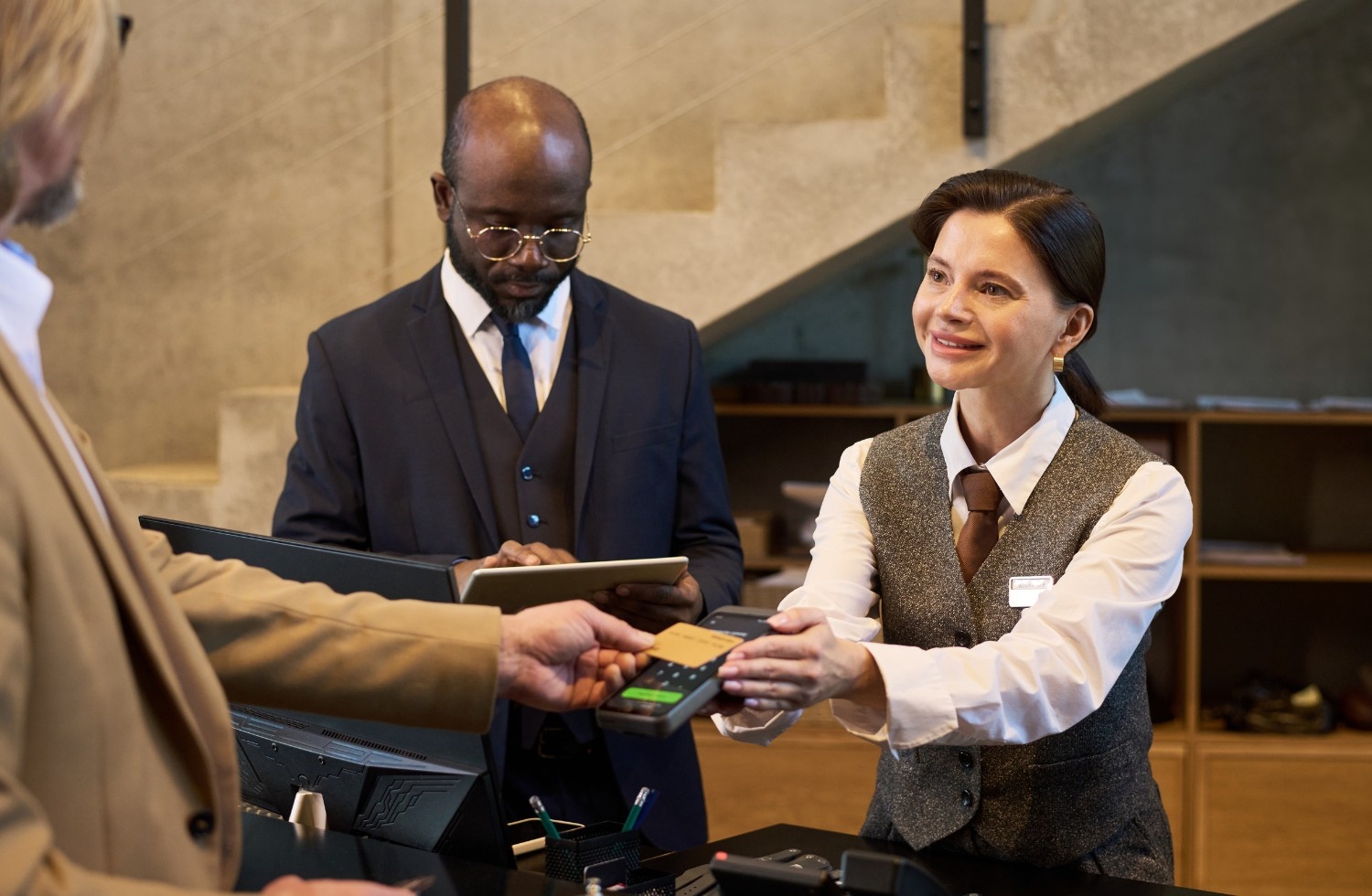
One of the most noticeable changes in modern hospitality is the shift toward contactless services. Many hotels now allow guests to complete reservations, check in, access digital room keys, and check out using mobile apps or self-service kiosks.
These digital solutions reduce waiting times, simplify the arrival process, and provide travelers with greater flexibility, especially after long journeys.
Popular Digital Check-In Features:
- Mobile check-in
- Digital room keys
- Self-service kiosks
- Online payment options
- Express check-out
How Technology Is Transforming Hotels:
| Digital Innovation | Guest Benefit |
|---|---|
| Mobile Check-In | Faster arrivals |
| Digital Room Keys | Convenient and secure access |
| Smart Room Controls | Personalized comfort |
| AI-Powered Customer Service | Faster support and recommendations |
| Mobile Concierge Apps | Easy access to hotel services |
| High-Speed Wi-Fi | Reliable connectivity |
| Online Booking Platforms | Greater convenience and transparency |
Personalized Guest Experiences:
Modern hotels increasingly use technology to create more personalized stays. Guest preferences such as room temperature, pillow choices, dining preferences, or favorite amenities can often be remembered for future visits, allowing hotels to provide a more customized experience.
Personalization helps guests feel valued while enabling hotels to deliver services that better match individual needs.
Smart Rooms Enhance Comfort:
Many hotels now offer smart rooms equipped with connected technologies that allow guests to control lighting, air conditioning, curtains, and entertainment systems through mobile apps or voice commands.
These features provide greater convenience while allowing travelers to customize their environment according to their preferences throughout their stay.
Smart Room Features:
- Voice-controlled lighting
- Smart thermostats
- Automated curtains
- Streaming-enabled televisions
- Wireless device charging
Faster Communication Through Mobile Apps:
Hotel mobile applications have become valuable travel companions. Guests can request housekeeping, order room service, book spa appointments, reserve restaurants, or communicate directly with hotel staff without making a phone call.
This immediate access to services improves convenience while allowing hotels to respond more efficiently to guest requests.
Artificial Intelligence Supports Better Service:
Artificial Intelligence is helping hotels improve customer service by handling routine inquiries, assisting with reservations, and providing personalized recommendations. AI-powered chatbots can answer common questions at any time of day, helping guests receive assistance quickly while allowing hotel staff to focus on more complex requests.
Rather than replacing human hospitality, these technologies complement staff by improving efficiency and response times.
AI Applications in Hospitality:
- Automated customer support
- Reservation assistance
- Personalized recommendations
- Language translation
- Demand forecasting
Enhanced Security and Guest Confidence:
Digital technology has also strengthened hotel security. Modern systems include keyless room access, secure online payment processing, surveillance technology, and advanced cybersecurity measures that help protect both physical safety and personal information.
As travelers increasingly rely on digital services, maintaining strong security has become a critical part of delivering a trustworthy guest experience.
Sustainability Through Technology:
Technology is helping hotels reduce their environmental impact while lowering operating costs. Smart energy management systems automatically adjust lighting, heating, and cooling based on room occupancy, reducing unnecessary energy consumption.
Digital invoices, paperless check-in processes, and water-saving technologies also support more sustainable hospitality practices without reducing guest comfort.
Sustainable Digital Innovations:
- Smart energy management
- Paperless guest services
- Water-saving technologies
- Automated lighting systems
- Digital billing and receipts
Human Service Still Matters:
Despite remarkable technological progress, genuine hospitality continues to rely on people. Friendly staff, attentive service, local knowledge, and thoughtful interactions remain essential elements of memorable hotel experiences.
Technology works best when it enhances human service rather than replacing it, allowing hotel employees to spend more time delivering meaningful guest experiences.
The Future of Hospitality Continues to Evolve:
Emerging technologies such as advanced automation, predictive analytics, virtual concierge services, and enhanced personalization will continue shaping the hospitality industry in the coming years. Travelers can expect hotels to become even more responsive, efficient, and adaptable as innovation continues.
At the same time, successful hotels will continue balancing digital convenience with authentic hospitality that makes guests feel welcome and valued.
Future Trends to Watch:
- Greater AI-powered personalization
- Smarter guest room automation
- Enhanced contactless services
- Improved sustainability technologies
- More integrated travel experiences
Hospitality Is Becoming Smarter and More Personalized:
The digital age has transformed hotel hospitality into a more connected, convenient, and personalized experience. From mobile check-ins and smart rooms to AI-assisted customer service and sustainable operations, technology is improving nearly every aspect of the guest journey.
While innovation continues to redefine the industry, the heart of hospitality remains unchanged. Combining advanced technology with genuine human care allows hotels to deliver experiences that are not only efficient but also memorable. As digital transformation continues, travelers can look forward to accommodations that offer greater comfort, flexibility, and personalized service than ever before.
