
Traveling the world doesn’t have to be reserved for people with unlimited budgets. With thoughtful planning, smart spending habits, and a willingness to explore beyond luxury options, it’s possible to experience incredible destinations without overspending. From finding affordable flights and choosing budget-friendly accommodations to eating like a local and taking advantage of free attractions, there are countless ways to stretch your travel budget while still enjoying unforgettable adventures. The key isn’t spending less on everything—it’s spending wisely on the experiences that matter most.
Start with a Realistic Travel Budget:
Before booking flights or hotels, determine how much you’re comfortable spending on your trip. Break your budget into categories such as transportation, accommodation, meals, sightseeing, shopping, and emergency expenses. Having a clear financial plan helps you make better decisions throughout your journey and prevents unexpected costs from disrupting your vacation.
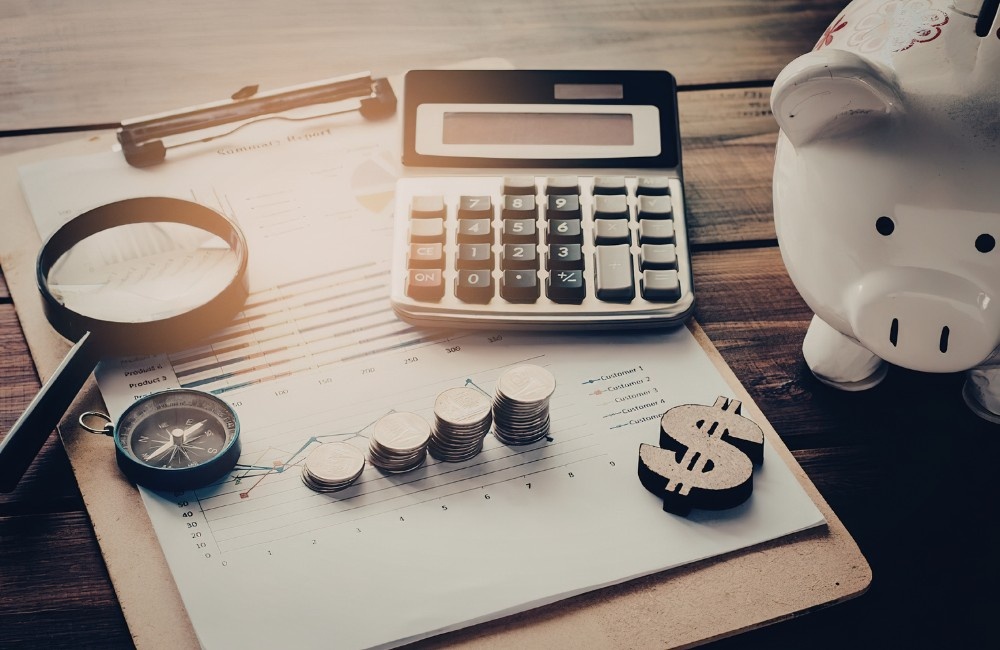
Remember to leave a small buffer for spontaneous experiences, because some of the best travel memories often come from unplanned opportunities.
Be Flexible with Your Travel Dates:
One of the easiest ways to save money is by avoiding peak travel seasons. Flights and accommodations are often significantly less expensive during shoulder seasons, when destinations are less crowded but still offer pleasant weather.
If your schedule allows, traveling on weekdays rather than weekends can also reduce transportation costs. Even adjusting your departure by a day or two may lead to noticeable savings.
Compare Transportation Options Before Booking:
Airfare is often one of the largest travel expenses, but it’s not always the only or best option. Depending on your destination, trains, buses, ferries, or even overnight transportation can offer better value while allowing you to experience more of the journey.
Before making reservations, compare multiple transportation methods and consider factors such as luggage fees, travel time, comfort, and convenience—not just the ticket price.
Money-saving transportation ideas:
- Book flights several weeks or months in advance.
- Travel during off-peak seasons.
- Use public transportation instead of taxis.
- Walk or rent bicycles for shorter distances.
- Consider overnight trains or buses when appropriate.
Budget-Friendly Travel Strategies:
| Travel Expense | Smart Way to Save |
|---|---|
| Flights | Travel during shoulder seasons and compare routes |
| Accommodation | Stay in guesthouses, hostels, or vacation rentals |
| Food | Eat at local cafés and street markets |
| Transportation | Use buses, trains, bicycles, or walk |
| Attractions | Visit free museums, parks, and public landmarks |
| Shopping | Buy locally made souvenirs instead of tourist items |
Choose Accommodation That Matches Your Travel Style:
Luxury hotels aren’t the only way to enjoy a destination. Boutique guesthouses, hostels, vacation rentals, eco-lodges, and family-run inns often provide comfortable stays at more affordable prices while offering a more authentic local experience.
When choosing accommodations, consider location as well as price. Staying near public transportation or within walking distance of major attractions can reduce daily transportation costs.
Eat Like a Local:
Dining at restaurants designed primarily for tourists can quickly increase your travel expenses. Instead, explore neighborhood cafés, local markets, bakeries, and street food vendors where residents eat every day.
Besides being more affordable, local food often provides a better introduction to regional flavors and culinary traditions. Trying seasonal dishes and regional specialties can become one of the most memorable parts of your trip.
Affordable food experiences:
- Visit local food markets.
- Try authentic street food.
- Enjoy lunch specials offered by restaurants.
- Shop at grocery stores for snacks and breakfast.
- Ask locals for dining recommendations.
Prioritize Free and Low-Cost Attractions:
Many of the world’s most rewarding travel experiences don’t require expensive admission tickets. Historic neighborhoods, scenic viewpoints, public gardens, beaches, hiking trails, and local festivals often provide unforgettable memories at little or no cost.
Museums and cultural institutions in many destinations also offer discounted or free admission on certain days of the week, making it worthwhile to plan ahead.
Travel Slowly to Spend Less:
Moving between destinations every few days often increases transportation costs and limits your opportunity to truly experience each place. Staying longer in one destination can reduce travel expenses while allowing you to discover local neighborhoods, hidden attractions, and community events that many visitors overlook.
A slower pace also creates a more relaxing and meaningful travel experience without constantly worrying about schedules.
Pack Smart to Avoid Extra Fees:
Packing efficiently can save money before your trip even begins. Traveling with carry-on luggage whenever possible helps avoid checked baggage fees and makes moving between destinations much easier.
Bring versatile clothing that can be mixed and matched, and remember essentials such as reusable water bottles, chargers, medications, and travel adapters to avoid buying replacements during your trip.
Make Technology Work for Your Budget:
Travel apps and digital tools can help you save both time and money throughout your journey. Offline maps reduce the need for mobile data, while budgeting apps make it easier to track daily spending and avoid exceeding your planned expenses.
Useful apps to have before departure include:
- Offline navigation maps
- Currency conversion tools
- Public transportation apps
- Language translation apps
- Expense tracking applications
Spend More on Experiences That Truly Matter:
Budget travel doesn’t mean saying no to every paid activity. Instead, identify one or two memorable experiences that are especially meaningful to you and allocate part of your budget accordingly.
Whether it’s a guided wildlife safari, a scenic hot air balloon ride, a cooking class, or a cultural performance, investing in unforgettable experiences often provides greater value than spending heavily on luxury accommodations or shopping.
Common Budget Travel Mistakes to Avoid:
Even experienced travelers sometimes overspend because of poor planning or unnecessary purchases. Being aware of these common mistakes can help you stay within your budget while enjoying a smoother journey.
- Booking flights at the last minute without comparing prices.
- Eating every meal in tourist districts.
- Ignoring public transportation options.
- Packing too much and paying baggage fees.
- Exchanging money at airports without checking exchange rates.
- Overloading your itinerary with expensive paid attractions.
Final Thoughts:
Traveling the world on a budget isn’t about sacrificing comfort or missing out on incredible experiences—it’s about making thoughtful choices that maximize the value of every dollar you spend. By planning ahead, traveling during less crowded seasons, embracing local experiences, and focusing on meaningful adventures rather than unnecessary expenses, you can explore remarkable destinations without putting unnecessary strain on your finances.
The world’s greatest journeys aren’t defined by how much you spend, but by the people you meet, the places you discover, and the memories you create along the way. With the right approach, traveling more while spending less is not only possible—it’s often the most rewarding way to see the world.
