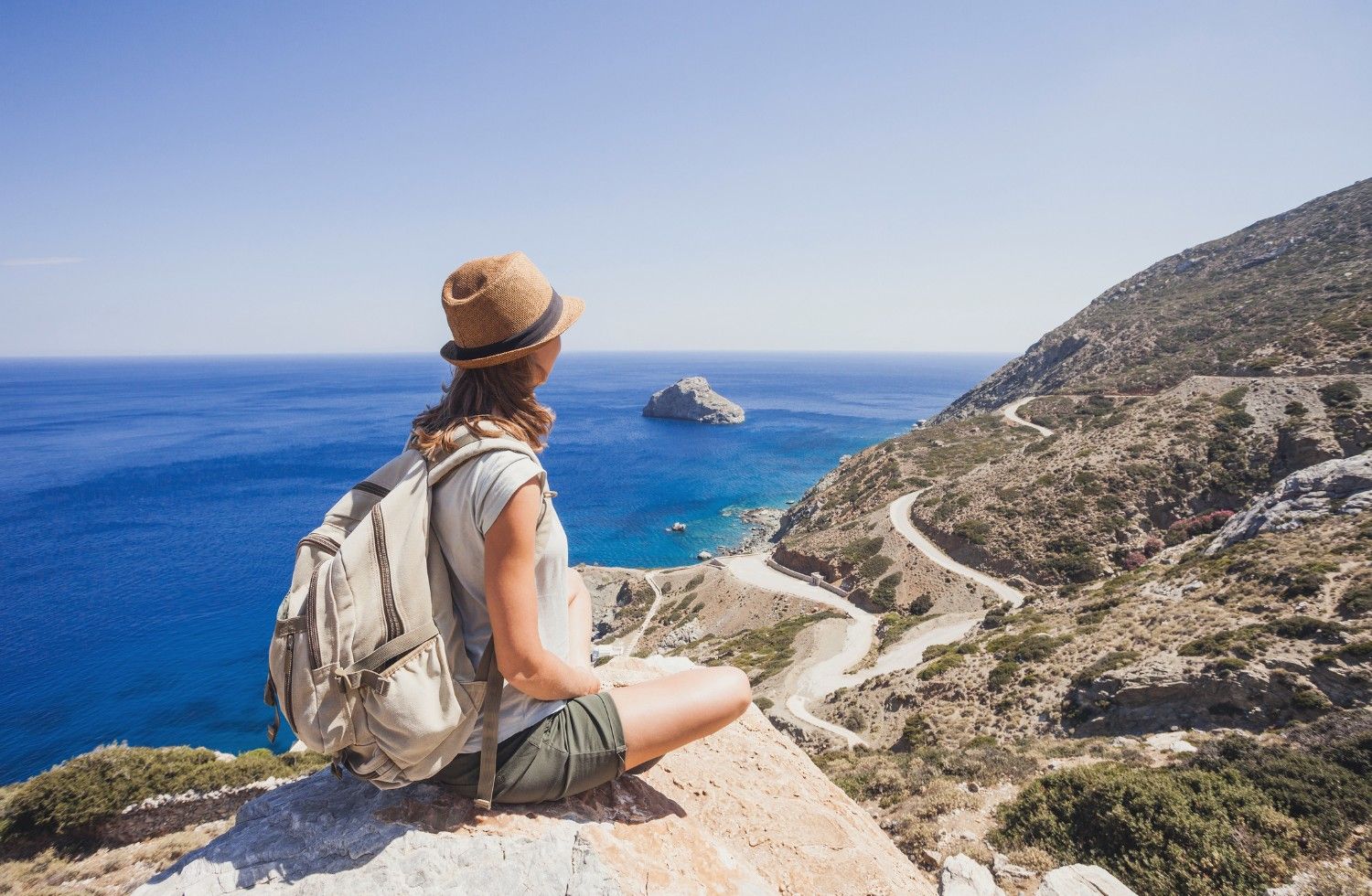
In a world where itineraries are often packed from sunrise to sunset, slow travel offers a refreshing alternative. Instead of rushing through famous attractions or trying to visit as many places as possible, slow travel encourages you to immerse yourself in a destination, appreciate its culture, and experience daily life at a relaxed pace. It’s about quality over quantity—creating meaningful memories through genuine experiences rather than simply checking locations off a list. Whether you’re exploring a charming village, spending a week in a vibrant city, or unwinding in the countryside, slow travel transforms every journey into something far more rewarding.
What Is Slow Travel?
Slow travel is a travel philosophy that prioritizes deeper experiences over busy schedules. Rather than moving to a new destination every day, travelers spend more time in one place, allowing them to connect with local communities, discover hidden gems, and appreciate the unique character of each destination.
This approach doesn’t mean doing less—it means experiencing more. By slowing down, you notice the little details that are often missed during fast-paced vacations, from neighborhood cafés and local traditions to scenic walking paths and authentic conversations.
Why More Travelers Are Choosing to Slow Down:
The growing popularity of slow travel reflects a shift in how people define a successful vacation. Instead of returning home feeling exhausted from constant sightseeing, many travelers now prefer journeys that leave them refreshed and inspired.
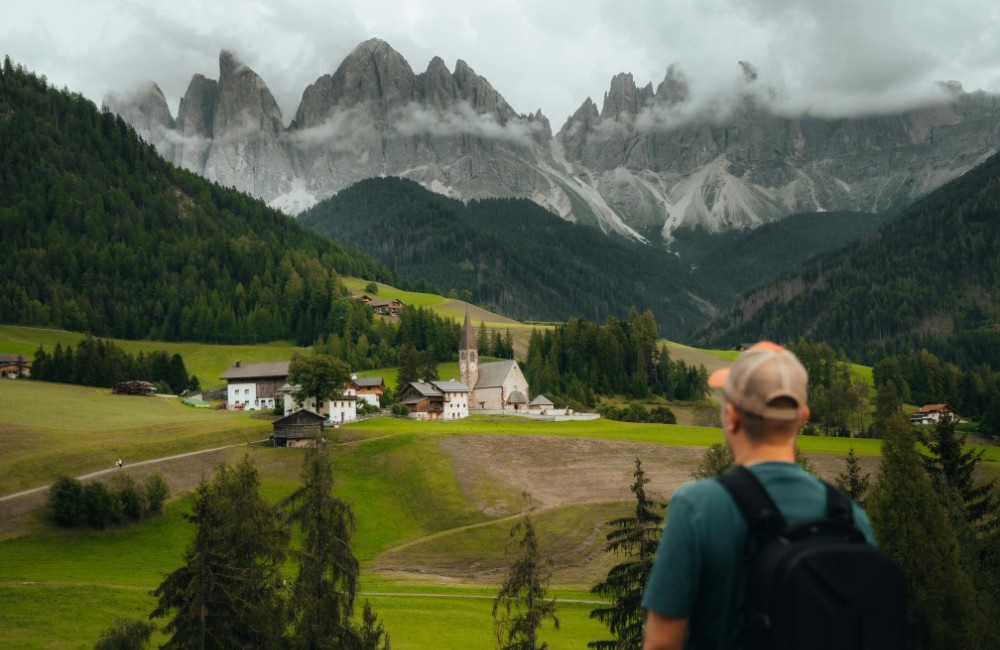
Some of the biggest benefits include:
- More meaningful cultural experiences
- Less travel-related stress
- Better opportunities to support local businesses
- Greater flexibility during your trip
- More time to appreciate natural surroundings
- Stronger memories built through authentic experiences
Stay Longer in Fewer Places:
One of the simplest ways to embrace slow travel is by reducing the number of destinations on your itinerary. Spending four or five days in one location often provides a much richer experience than visiting four different cities in the same amount of time.
Longer stays allow you to explore beyond the main tourist attractions. You may discover a favorite neighborhood bakery, become familiar with local markets, or find a peaceful park where residents gather every evening. These everyday moments often become the highlights of a journey.
Fast Travel vs. Slow Travel:
| Fast Travel | Slow Travel |
|---|---|
| Multiple destinations in one trip | Fewer destinations with longer stays |
| Busy sightseeing schedules | Relaxed daily exploration |
| Focus on landmarks | Focus on local experiences |
| Tight itineraries | Flexible plans |
| Quick photo stops | Meaningful cultural connections |
| Constant transportation | More time enjoying each destination |
Explore Beyond the Tourist Hotspots:
While famous attractions are worth visiting, every destination has neighborhoods, cafés, parks, and viewpoints that many visitors never discover. Walking through residential streets, visiting local farmers’ markets, or enjoying lunch at a family-owned restaurant often reveals a destination’s true personality.
Instead of following a strict schedule, leave part of each day open for spontaneous discoveries. Sometimes the best experiences aren’t marked on any map.
Choose Experiences Over Checklists:
Rather than trying to visit every museum or landmark, focus on experiences that help you connect with the destination. Join a cooking class, learn a traditional craft, attend a local festival, or spend an afternoon watching everyday life unfold in a public square.
These experiences create stronger emotional connections than rushing between attractions simply to complete a sightseeing list.
Ideas for meaningful experiences:
- Take a local cooking class
- Visit neighborhood markets
- Attend cultural events
- Explore on foot instead of by taxi
- Learn a few local phrases
Slow Down and Savor Local Cuisine:
Food plays a central role in understanding any culture. Instead of grabbing quick meals between attractions, take time to enjoy local specialties at independent restaurants, cafés, or street markets.
Conversations with restaurant owners, recommendations from local residents, and seasonal ingredients often provide insights into a destination that guidebooks cannot capture. A leisurely meal can become just as memorable as visiting a famous landmark.
Travel More Sustainably:
Slow travel naturally supports more sustainable tourism. Spending longer in one place reduces the need for frequent transportation while encouraging travelers to support local accommodations, family-run businesses, artisans, and restaurants.
Small choices, such as shopping at local markets or choosing independent guesthouses, help contribute to local economies while creating more authentic travel experiences.
Let Nature Set the Pace:
Some of the best slow travel destinations are surrounded by natural beauty. Mountain villages, coastal towns, countryside retreats, and lakeside communities invite visitors to disconnect from busy routines and reconnect with the outdoors.
Instead of filling every hour with activities, spend time hiking scenic trails, reading beside a lake, watching sunsets, or simply enjoying the peaceful rhythm of your surroundings.
Perfect destinations for slow travel include:
- Tuscany, Italy
- Kyoto, Japan
- Provence, France
- The Cotswolds, England
- Ubud, Bali
- Hallstatt, Austria
Leave Room for Unexpected Moments:
One of the greatest advantages of slow travel is flexibility. Without an overloaded itinerary, you can say yes to opportunities that appear unexpectedly—a local festival, an invitation to a neighborhood event, a scenic walking trail, or a café recommended by someone you meet along the way.
These unplanned experiences often become the stories travelers remember most long after returning home.
Simple Ways to Practice Slow Travel:
You don’t need months of vacation to adopt this travel style. Even a short weekend trip can feel more meaningful with a slower approach.
A few practical ideas include:
- Book accommodations for multiple nights in one location.
- Walk or cycle whenever possible.
- Limit yourself to one or two major attractions each day.
- Spend time in parks, cafés, and local neighborhoods.
- Shop at independent businesses instead of chain stores.
- Disconnect from your phone occasionally and enjoy the moment.
Slow travel reminds us that the true value of a journey isn’t measured by the number of destinations visited but by the depth of the experiences we collect along the way. Whether you’re wandering through the vineyards of Tuscany, enjoying a quiet morning in Kyoto, relaxing beside a lake in Hallstatt, or exploring the charming villages of Provence, taking your time allows every destination to reveal its authentic character.
The next time you travel, resist the urge to rush from one attraction to another. Slow down, stay a little longer, and discover that sometimes the most unforgettable adventures happen when you simply let the journey unfold at its own pace.
